
Riding an E-Bike in Winter: Battery and Tire Care
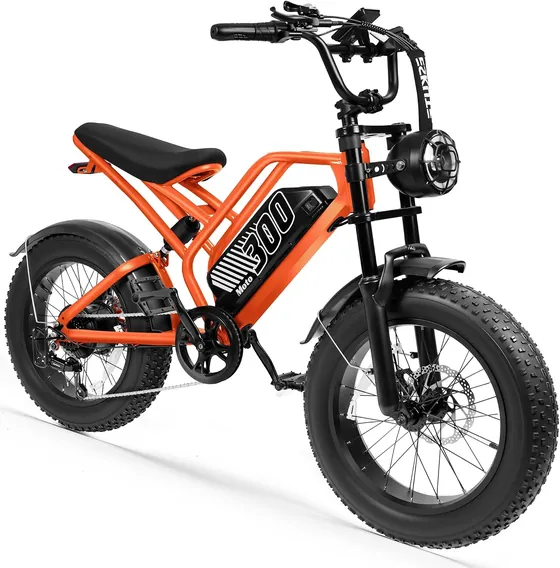
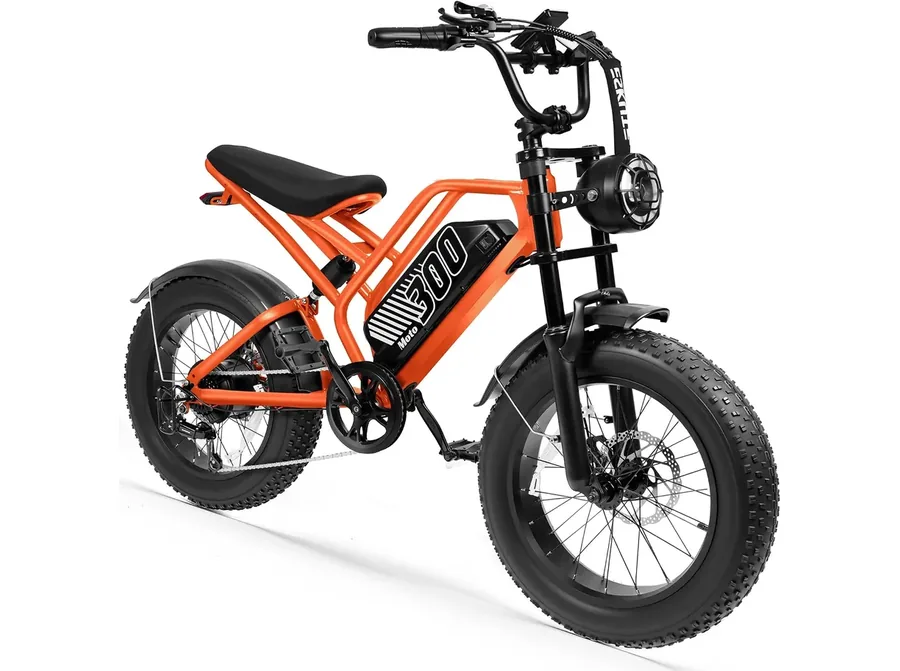
Cold air shortens range and stiffens tires before it ruins a frame. On the ESKUTE V300 20" Fat Tire Electric Bike, the removable 48V 20.8Ah pack and 20" × 4.0" (508 × 102 mm) tires are the two parts that need a winter routine. ESKUTE already names snow among the surfaces those fat tires are meant for—treat battery warmth and tire pressure as the habits that keep that claim useful.
Why winter hits the battery first
The V300's standard pack is 48V 20.8Ah—about 998 Wh—rated for up to 85 miles maximum in pedal assist. That figure is a best-case ceiling on mild days with steady pedaling. Throttle-only, Boost mode, hills, soft tires and cold cells all cut real miles. The same product page also offers a 48V 41.6Ah version when you want more capacity; confirm which pack is selected before you order.
Chemical batteries deliver less usable energy when they are cold. You do not need a lab chart to plan around it: keep the pack nearer room temperature before a ride, and expect the center-mounted color LCD to show a faster drop when you leave a freezing shed with a cold battery.
Charge and store the pack indoors
ESKUTE lets you charge the V300 battery on the bike or remove it and charge indoors. In winter, prefer the indoor path:
- Ride home, power off, unlock with the NFC card and lift the pack out rather than leaving it on a frozen porch.
- Warm the pack indoors for a while before you plug in if it feels ice-cold to the touch. Charging a deeply chilled pack is harder on cells than charging one that has returned toward room temperature.
- Charge in a dry indoor spot away from snow melt dripping off the frame.
- Park the bike; take the battery with you when the bike stays outside overnight. A high-carbon steel frame handles cold better than a lithium pack left at the curb.
If your regular round trip sits close to winter range, the dual-capacity option (41.6Ah) or a spare charged pack indoors is simpler than a mid-day top-up in the cold. Our battery life and range guide shows how pedal assist versus throttle changes the math on any ESKUTE model.
Fat tires on snow, ice and wet asphalt
ESKUTE lists paved roads, mountain roads, beach sand, snow and muddy trails for the V300. The 20" × 4.0" tires and full suspension are the winter contact patch. Soft, wide rubber floats better on snow than a narrow road tire, but soft pressure also rolls heavier and spends more watt-hours.
- Check pressure before every cold ride. Sidewall range is the limit; keep left and right equal so the bike tracks straight when you use Boost or pure electric.
- Lower pressure slightly for loose snow only within the sidewall range—not so soft that the rim risks a pinch on frozen ruts.
- Raise pressure again for wet asphalt and ice patches where a firmer tire feels more predictable under the hydraulic rear disc and front disc.
- Clear packed snow from the crown and sidewalls after rides so overnight freezes do not leave a hard shell on the rubber.
Full suspension helps on broken winter pavement, but a soft setup still soaks energy. If the bike feels sluggish with a warm battery, look at tire pressure and suspension sag before you blame the motor.
Modes that protect winter range
The V300 has five modes: pure electric, pedal assist, manual, Boost and Cruise, behind a 7-speed drivetrain. For cold commutes:
| Mode | Winter use |
|---|---|
| Pedal assist (lower levels) | Best default—your legs add energy the battery does not have to spend |
| Cruise | Steady plowed paths once you are up to a safe speed |
| Boost | Short hills or soft snow pulls only; it spends pack fast |
| Pure electric / throttle | Convenient, shortest range in the cold |
| Manual | Backup if you need to nurse a low pack home |
ESKUTE quotes 30+ mph top speed and climbing up to 35° from the 1500W peak motor with 90 N·m of torque. Winter roads rarely want that top number. Leave more braking distance: only the rear disc is hydraulic, and cold rotors plus wet grit lengthen stops. Front and rear lights, including the rear brake light, should be clean of slush so you stay visible in short daylight.
A short pre-ride winter checklist
- Battery charged indoors and seated fully before you NFC-unlock.
- LCD shows mode, battery level and that lights work.
- Tire pressures set for today's surface, equal left to right.
- Disc faces free of ice chunks; levers return cleanly.
- Route chosen for plowed paths when you can; soft snow costs range.
The V300 is the long-range fat-tire bike in the moped-style family. For a smaller winter runabout in the same style, compare the ESKUTE V100 16" Fat Tire Electric Bike. Map motors and packs across the lineup in the ESKUTE review. Warm pack, honest tire pressure and pedal assist will do more for winter miles than any single mode on the LCD.